


Trauma Specialized Art Therapist in Baltimore, MD
Virtual services available throughout Maryland and Pennsylvania.
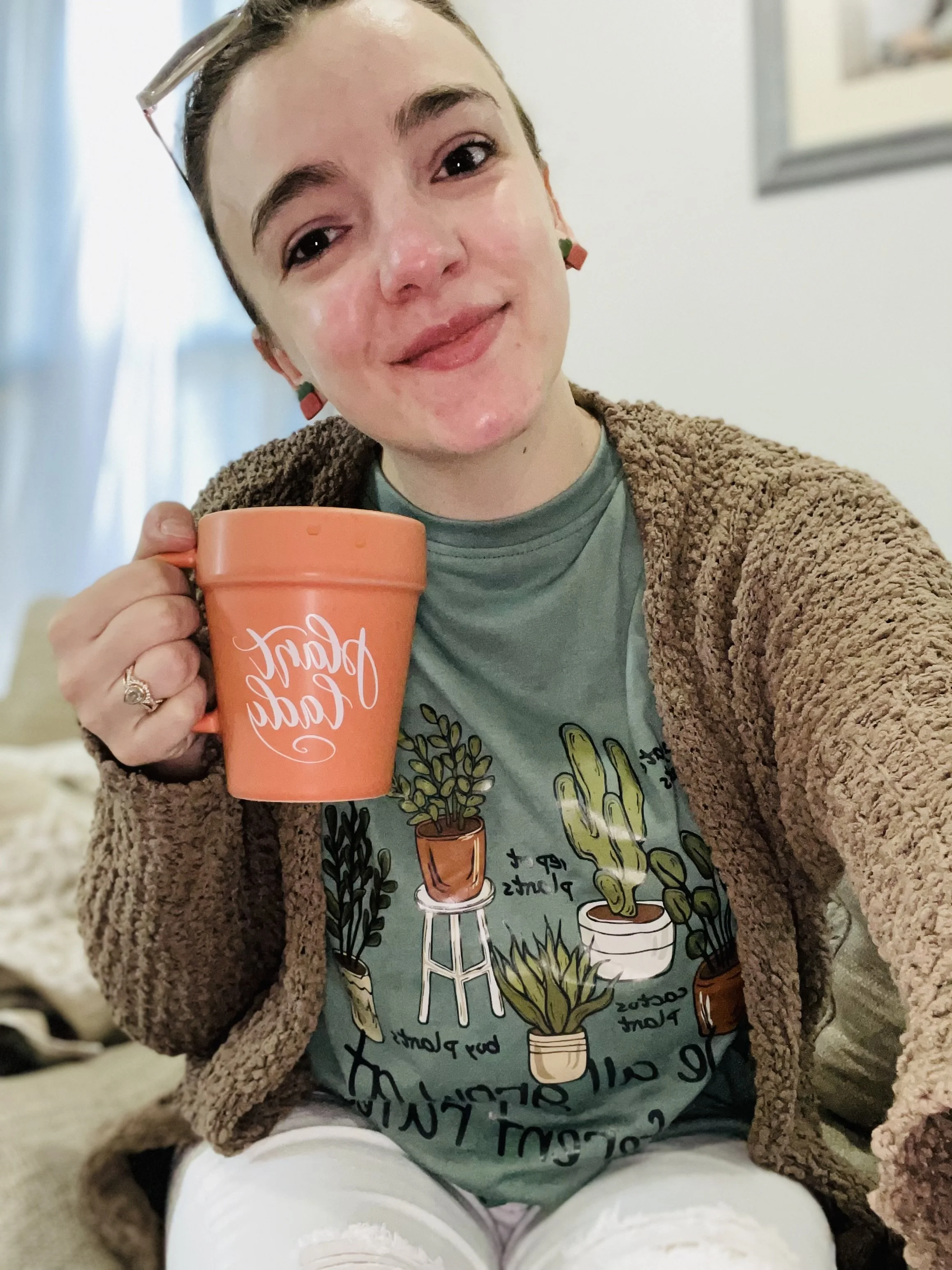
Meet Casey Frederick
You don't have to choose between honoring your calling and caring for yourself.

I GET IT…
For a long time, I thought being "strong" meant handling everything on my own.
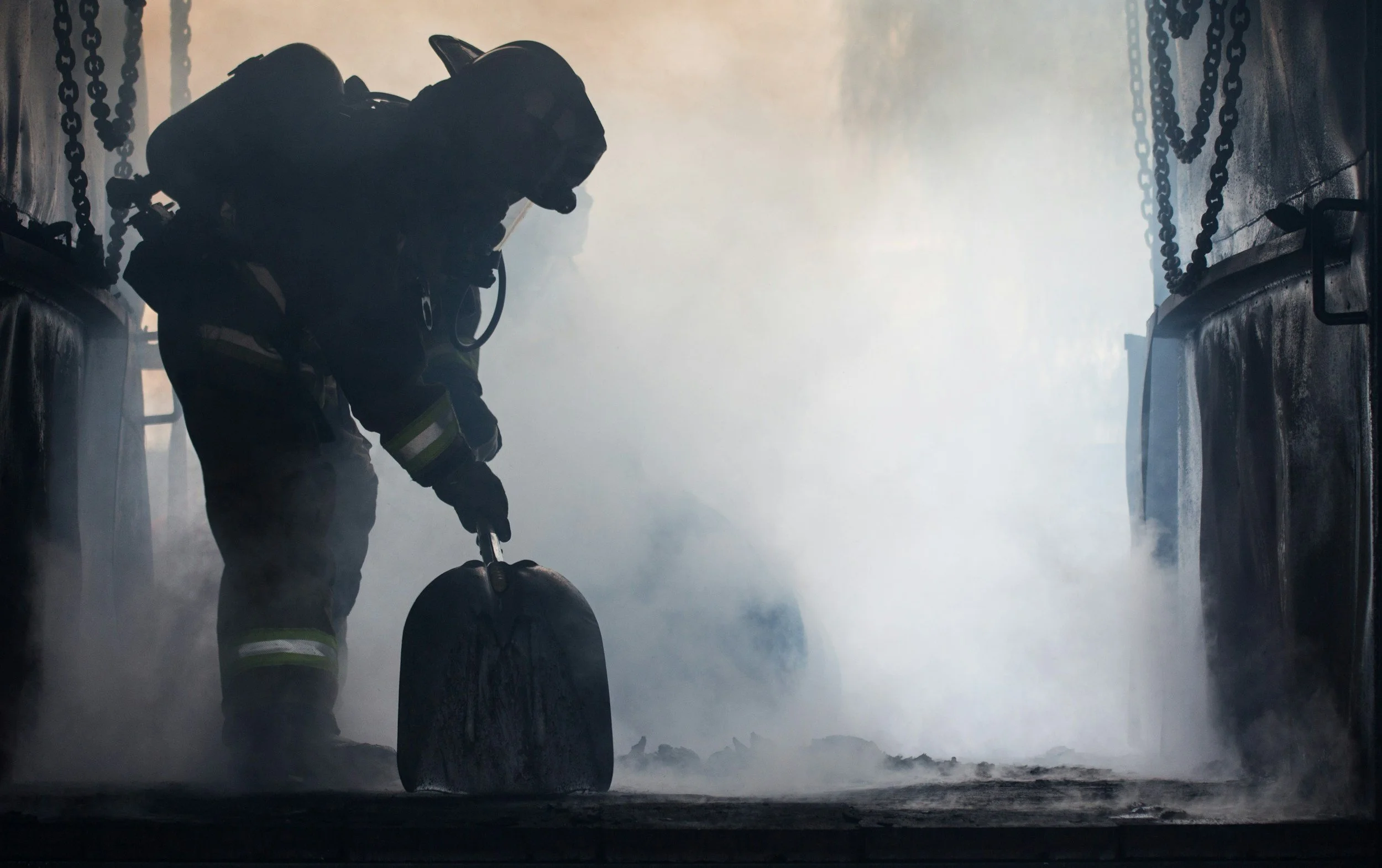
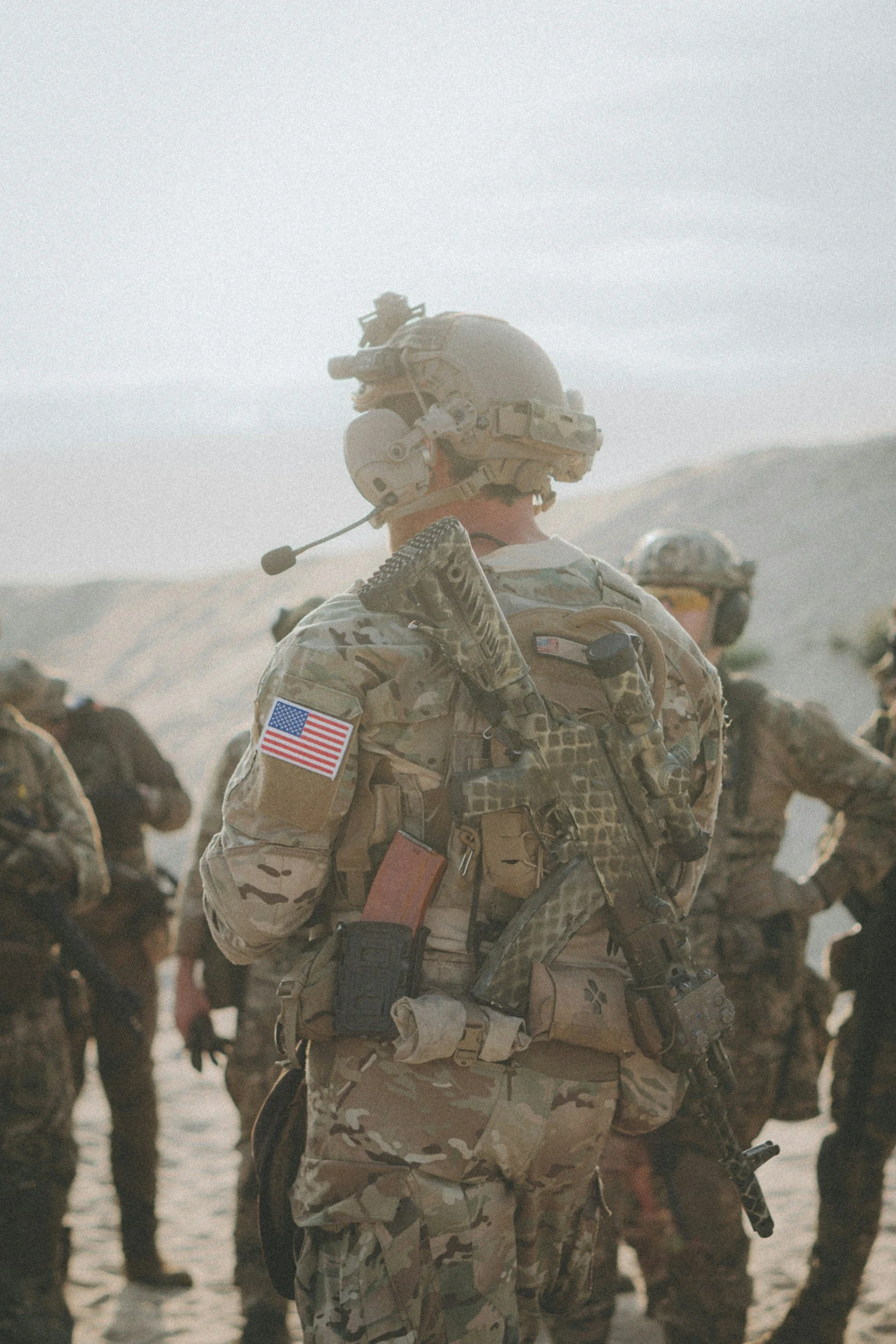
Working alongside first responders, service members, veterans, helping professionals, and as a military spouse myself, I've come to understand something different. The people who spend their lives taking care of others often become incredibly skilled at pushing through, staying composed, and doing what needs to be done. They know how to function under pressure. What they're rarely taught is how to slow down, or…that it is OKAY to slow down.
I've seen how easy it is to believe that needing support somehow means you're no longer capable. I've also seen how exhausting it can be to keep carrying experiences that no one else sees.
That's why my approach to therapy isn't about asking you to become someone different. It's about creating a space where you don't have to stay in survival mode anymore. Together, we'll make sense of what you've been carrying, reconnect with the parts of yourself that have been overshadowed by responsibility, and create space for healing without asking you to let go of the strengths that brought you this far.
When Responsibility Becomes Part of Who You Are
The signs aren't always obvious. Sometimes they look like constantly staying "on," struggling to leave work at work, expecting the worst before it happens, or feeling disconnected from yourself and the people you care about.
Maybe you've noticed your patience isn't what it used to be, slowing down feels impossible, or you're asking yourself, "Why can I handle a crisis at work but the little things at home feel overwhelming?"

If you've been waiting for permission to put some of the weight down, consider this your no pressure invitation.
I believe therapy should be a place where you don't have to censor yourself or your experiences. You don't have to explain first responder culture, military life, or why dark humor has become part of how you cope. You don't have to have the right words, and you certainly don't have to have it all figured out. Whether we use conversation, art, Internal Family Systems (IFS), or simply sit with what feels hard, I value process over perfection and moments of pause over performance.


Two Things Can Be True, You can experience both:

Resilience & Exhaustion
Grief & Gratitude
Strength & Vulnerability
Heartbreak & Hope
You don't have to erase one part of your story to make room for another.
Outside the office, you'll usually find me...
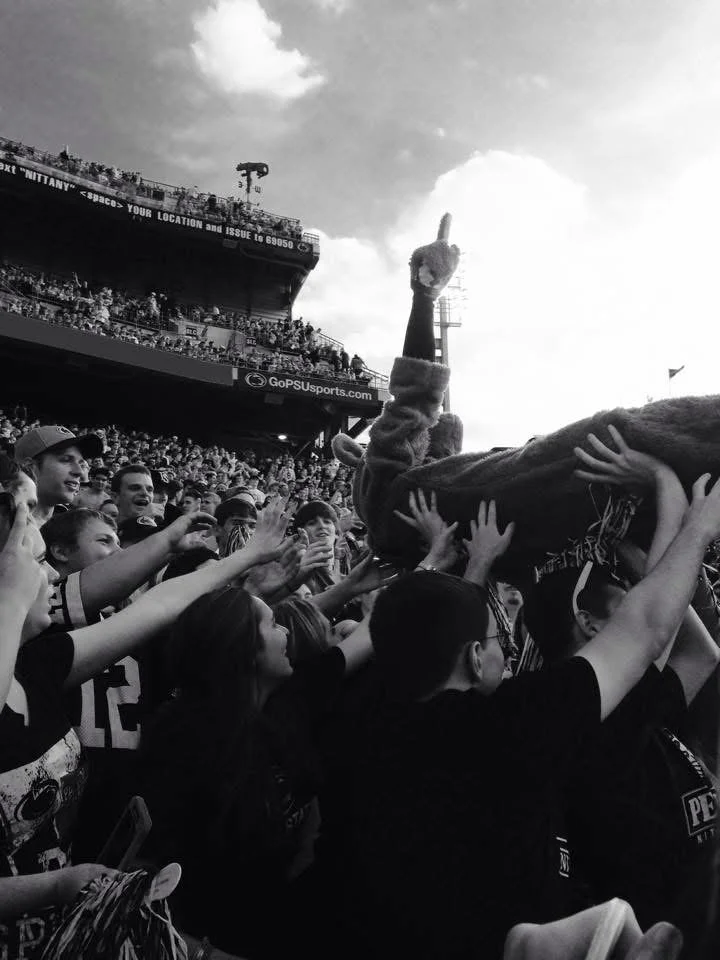
Cheering way too loudly for Penn State football (We Are!) and rooting for the Steelers…yes, even during the tough seasons.
Spending time with my husband, our two kids, and our very opinionated dachshund Darla.
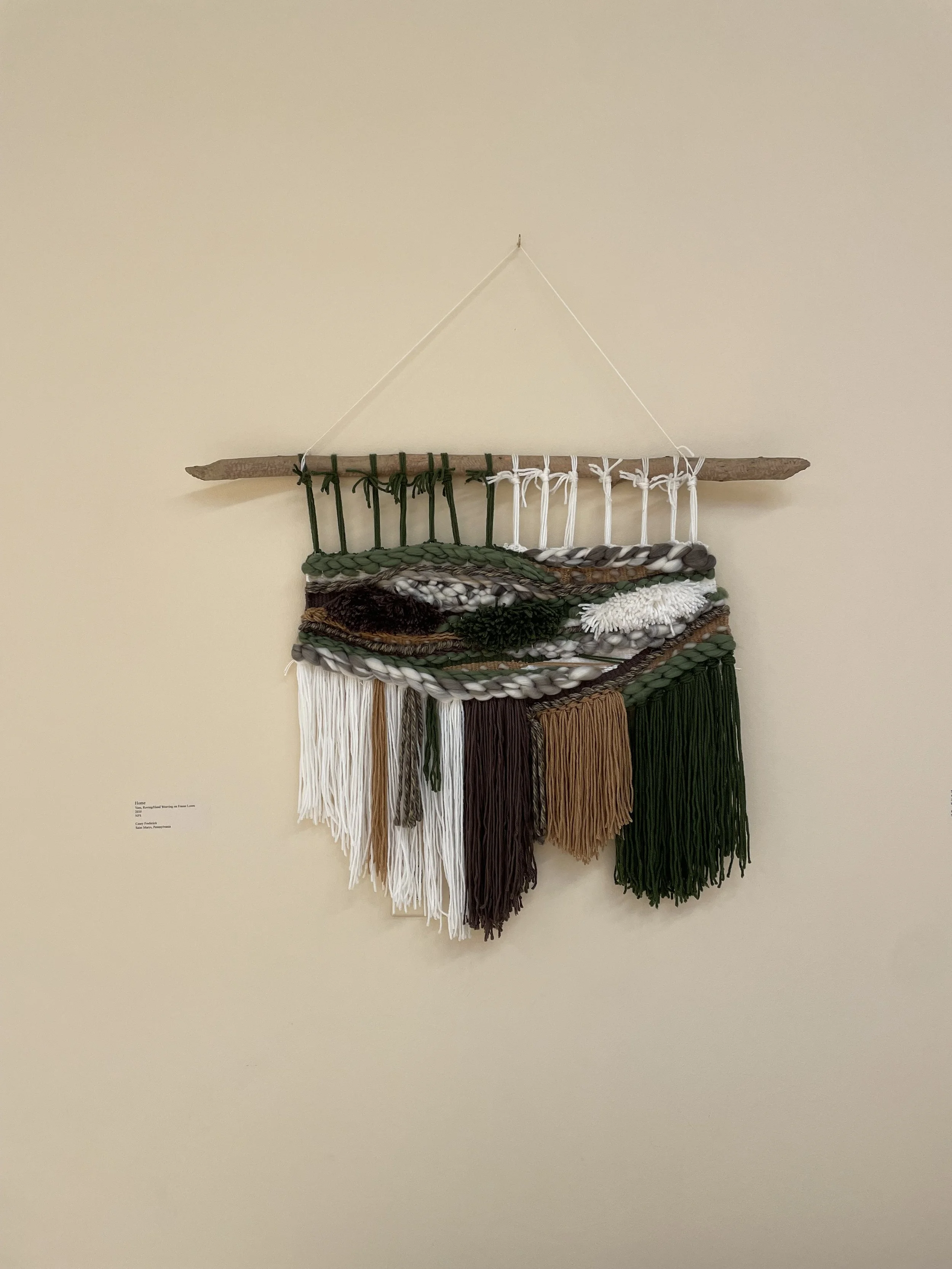
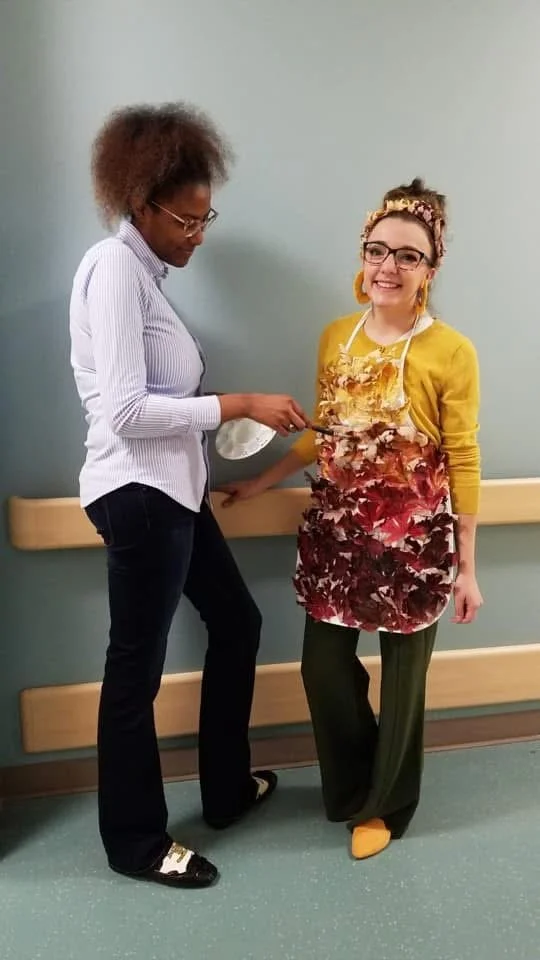
Creating. While I love experimenting with just about every art material, I always find my way back to watercolor and textile weaving.
Convincing myself I only need one more trip to the art supply store.
Drinking coffee…most likely a variation of caramel & coconut.
Embracing military life with my family, a journey I never expected would become such a meaningful part of both my personal life and professional perspective.
I've wanted to be an art therapist since I was in ninth grade. I always hoped my work would support military members and veterans. I never expected I'd become a military spouse myself, or that I'd discover such a deep passion for working with first responders along the way. Looking back, it's funny how life has a way of bringing our personal and professional stories together.

Therapist’s Are Human Too



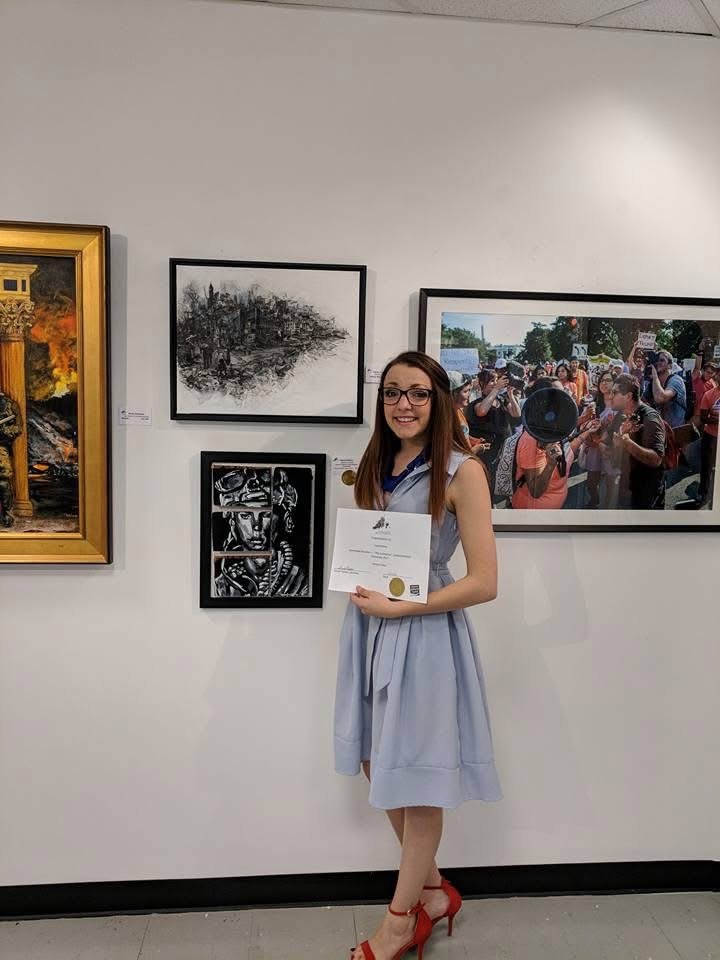
Fun fact: Three of my mixed-media artworks are featured in Ripley's Believe It or Not! museums. I guess I've always had a soft spot for art that's a little unconventional. It's a good reminder that there isn't one "right" way to make art, and that's something I believe deeply, both in the studio and in the therapy room.
-
Masters Degree In Art Therapy with Trauma Specialization-The George Washington University
Certificate of Military Resilience Studies- Liberty University
BA Psychology & BA Integrative Arts- The Pennsylvania State University
-
Board Certified Art Therapist (ATR-BC)
Licensed Clinical Professional Art Therapist (LCPAT)-MD ATC360
Licensed Clinical Professional Counselor (LCPC)-MD LC13322
Licensed Professional Counselor (LPC)-PA PC017187
Certified Clinical Trauma Therapist
Complex Trauma Certification
Internal Family Systems (IFS) Informed Trauma Therapy
Trauma-Informed Care That Honors Survival
Casey does not view protective responses as character flaws. Hypervigilance, emotional shutdown, compartmentalization, over-functioning, and difficulty relaxing often developed for a reason. Therapy focuses on understanding how these patterns helped you survive and whether they are still serving you in the present.
Therapy That Honors Your Strength and Your Story
Virtual Services Available Throughout Maryland & Pennsylvania

Internal Family Systems (IFS)
Rather than asking, “What’s wrong with me?” Casey helps clients explore which parts of themselves have been carrying the burden. The part that stays in control. The part that avoids vulnerability. The part that feels responsible for everyone else. The part that is exhausted.
Internal Family Systems (IFS) allows therapy to move beyond symptom management and toward a deeper understanding of the internal roles that developed through trauma, service, responsibility, and life experience.
Art Therapy as a Language for Processing
Many first responders, military members, and helping professionals are skilled at explaining events but struggle to access the emotions connected to them. Casey’s training as a Board-Certified Art Therapist provides an additional pathway for processing experiences that may be difficult to put into words. No artistic ability is required.


Learn More about Who Casey Works With Most
Virtual Services Available Throughout Maryland & Pennsylvania


A Message From Casey
If you are someone who is used to being the capable one, the dependable one, the calm one in the middle of chaos, I want you to know that therapy does not require you to stop being strong.
My goal isn't to take away the parts of you that helped you survive or serve others. It's to help those parts realize they no longer have to carry everything alone.
When working together, I will help you understand those parts, reduce the burden they have been carrying alone, and create space for you to feel more connected, to yourself, to your family, and to the life you want beyond simply getting through the next shift, call, deployment, or responsibility.







“Two things can be true at once: you can be incredibly capable, and you can deserve support too.
That is often where our work begins.”