
We’re Dedicated to those who protect, serve, and sacrifice.
Virtual trauma-informed counseling and art therapy for first responders, veterans, military families, healthcare workers, therapists, educators, and helping professionals throughout Maryland and Pennsylvania.
Service Members & Veterans
Military life brings unique challenges, constant transitions, deployments, reintegration, and the invisible toll of holding it all together. Whether you’re active duty, a veteran, or a spouse navigating the demands of military culture, we offer a grounded, culturally competent space to process stress, loss, and identity shifts while fostering resilience and emotional wellness.
We understand that military service extends far beyond deployment. Frequent moves, changes in identity, transitions to civilian life, survivor's guilt, moral injury, relationship strain, and the lasting effects of trauma can all impact emotional well-being.
Whether you're active duty, transitioning out of service, retired, or supporting a loved one in the military, therapy provides a space to explore these experiences while honoring the strengths your service has cultivated.
Common concerns we work with include:
PTSD
Anxiety
Reintegration
Military transition
Relationship challenges
Grief and loss
Moral injury
Identity changes
Caregiver stress

Police, Fire, EMS, & Beyond
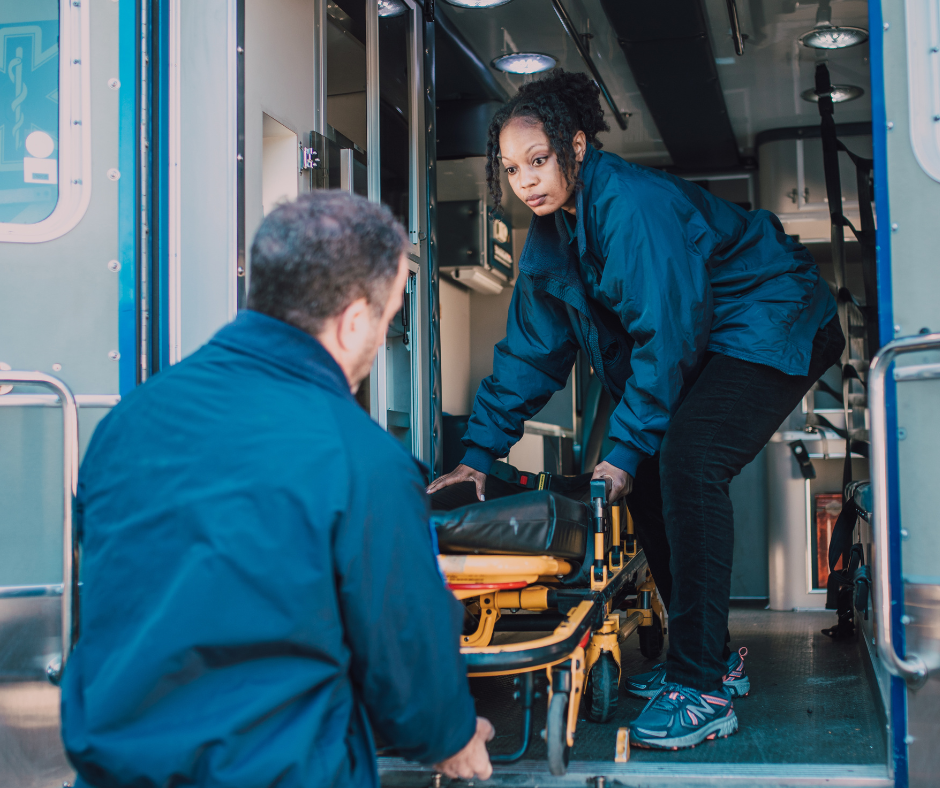
First responders often carry the weight of others’ worst moments while being expected to stay strong and composed. Over time, that can take a toll. Casey has 5+ years of experience providing a confidential, supportive space for Law Enforcement Officers, Firefighters, Dispatchers, EMTs, Paramedics, Federal Officers, Search and Rescue, Corrections Officers, to unpack trauma, manage hypervigilance, and reconnect with themselves beyond the uniform without fear of judgment or misunderstanding.
Common reasons first responders seek therapy include:
Hypervigilance
Burnout
Cumulative trauma
Critical incidents
Sleep difficulties
Relationship strain
Irritability
Emotional numbing
Retirement transition

Helping Professionals
Those who care for others, Therapists, Nurses, Teachers, Social Workers, Case Managers, Veterinarians, and other Healthcare Professionals often struggle to extend the same compassion to themselves.
Burnout, emotional fatigue, and blurred boundaries can creep in quietly.
We enjoy helping professionals slow down, reconnect with their own needs, and rediscover balance and fulfillment in both their work and personal lives.
Why Having a Unique Space Matters
Those who serve, whether in the military, on the front lines, or in helping professions, carry stories, stress, and responsibilities that few truly understand. At our practice, we recognize the weight of that service and the importance of having a therapeutic space where you don’t have to explain the culture, the mindset, or the unspoken expectations that come with it.
As a military spouse and a Navy veteran, Casey and Chris offer an environment grounded in understanding, respect, and compassion. Therapy here isn’t about “fixing” what’s wrong, it’s about creating space to process, heal, and reconnect with yourself in a way that honors both your humanity and your service.
Why Do These Professions Experience Burnout Differently?
Many helping professions involve repeated exposure to stress, crisis, grief, trauma, and high levels of responsibility. Over time, even the most resilient individuals can experience cumulative stress that affects both their professional and personal lives.
Unlike everyday stress, occupational stress often develops gradually. You may notice increased irritability, emotional exhaustion, difficulty relaxing, compassion fatigue, disrupted sleep, or feeling disconnected from the work that once felt meaningful.
Seeking therapy isn't a sign that you're no longer capable of doing your job. It's an opportunity to care for yourself with the same dedication you've shown to others.
How Can Art Therapy Help with Stress and Burnout?
For many helping professionals, the experiences they carry are difficult to put into words. Art therapy offers another avenue for processing emotions, reducing stress, and increasing self-awareness without requiring you to "have the right words."
Through the creative process, we can explore emotional exhaustion, compassion fatigue, moral injury, trauma, identity, and resilience in a way that complements traditional talk therapy. Art therapy isn't about artistic talent, it's about using creativity as a tool for reflection, emotional regulation, problem-solving, and healing. Depending on your goals, sessions may integrate traditional counseling, art therapy, Internal Family Systems (IFS), or a combination of approaches tailored specifically to your needs.
Virtual Therapy for Maryland & Pennsylvania
Life in a helping profession often comes with unpredictable schedules, long shifts, and limited time for self-care. To make therapy more accessible, we offer secure virtual counseling and art therapy services for first responders, veterans, military families, and helping professionals throughout both Maryland and Pennsylvania.
Virtual art therapy is highly effective and can be done using simple materials you already have at home, such as paper, pencils, markers, or other creative supplies. Whether we incorporate artwork into every session or simply use it when it feels helpful, therapy is always personalized to your comfort level and goals. Our aim is to provide flexible, evidence-based care that meets you where you are, both emotionally and geographically.
Frequently Asked Questions
-
Yes. Your privacy is one of our highest priorities. Therapy is confidential, and your personal information is protected by law, with only a few specific exceptions related to safety or legal requirements. We understand that many helping professionals worry about how seeking therapy could affect their career. During your consultation, we're happy to answer any questions about confidentiality so you can make an informed decision.
-
Absolutely. Burnout and compassion fatigue can affect anyone in a caregiving or service-oriented role. Therapy provides a space to process chronic stress, establish healthier boundaries, reconnect with your values, and develop strategies that support both your personal well-being and professional resilience.
-
Moral injury occurs when someone experiences, witnesses, or feels unable to prevent situations that conflict with their deeply held values or beliefs. It can lead to feelings of guilt, shame, anger, or disillusionment. Therapy offers a supportive, nonjudgmental space to process these experiences, make meaning of them, and move toward healing.
-
Yes. Virtual therapy is a flexible, evidence-based option that allows you to receive support from the privacy and comfort of your own space. Many clients appreciate avoiding travel time and having access to specialized care that fits around demanding or unpredictable schedules.
-
Not at all. Art therapy is always optional and tailored to your comfort level. Some clients enjoy integrating creative expression regularly, while others prefer traditional talk therapy or a combination of both. Together, we'll determine the approach that best supports your goals.
-
Many people in service-oriented professions are trained to prioritize others, stay composed under pressure, and push through difficult situations. Over time, this can make it challenging to recognize your own needs or feel comfortable accepting support. Seeking therapy isn't a sign of weakness, it's an investment in your well-being that allows you to continue showing up for yourself and the people who depend on you.
You Don’t Have to Carry it Alone
You've spent your career showing up for others. Now it's okay to invest in yourself.
Whether you're navigating burnout, trauma, life transitions, or simply looking for a space where you don't have to explain the culture of your profession, we're here to help.
Schedule a complimentary 15-minute consultation to learn more about our approach, ask questions, and see whether we're the right fit for your journey.