


Trauma Specialized Art Therapy & Counseling In Baltimore Maryland
Virtual Services Available Throughout Maryland & Pennsylvania
Healing Beyond Words, Roles, & Expectations
Create & Connect Art Therapy & Counseling was built on the belief that healing is about more than reducing symptoms. It's about creating space to reconnect with yourself, your values, and the parts of you that may have been overlooked while caring for others.



Meet Your Trauma Specialized Art Therapists
Virtual Services Available Throughout Maryland & Pennsylvania
While we work with adults from many walks of life, we have found ourselves consistently drawn to people who spend their lives serving, protecting, supporting, and caring for others.
First responders. Military members and veterans. Military spouses and families. Healthcare professionals. Therapists. Educators. Caregivers.
These roles often require extraordinary resilience, composure, and responsibility. They also come with unique stressors that are not always understood by those outside these communities.
Casey's experience as a military spouse and Chris's experience as a veteran have deepened our appreciation for the cultures of service, sacrifice, and responsibility. Combined with years of trauma-focused clinical work, these experiences allow us to approach therapy with both professional expertise and genuine understanding.
Explore Who We Help

Christlyn McCaskill
Board-Certified Art Therapist and Licensed Clinical Professional Counselor specializing in trauma-informed care, neurodiversity, burnout, emotional wellness, helping professionals, and life transitions.


Casey Frederick
Board-Certified Art Therapist, Licensed Clinical Professional Counselor, and Internal Family Systems therapist specializing in trauma, first responders, military communities, and adults in high-responsibility roles.
Two Therapists…One Shared Vision
Create and Connect Art Therapy and Counseling LLC is a practice built on a foundation of shared experience and purpose. The founders, Christlyn McCaskill, a Navy Veteran, and Casey Frederick, an Army Spouse, met while interning at a military hospital during their art therapy graduate program at George Washington University.
Their friendship grew from a shared love of watercolor, the color blue, Bob Ross, Van Gogh, and mandalas, symbols of calm, expression, and transformation that now inspire their work.
Recognizing their shared passion for helping trauma survivors, they were inspired to build a practice dedicated to providing a safe, unique, and compassionate therapeutic experience where clients can explore, heal, and grow through both traditional counseling and the expressive power of art therapy.
Casey and Chris are so excited to create, connect, and walk alongside you on your path toward healing.




Why Create & Connect?
The name Create & Connect reflects both who we are and how we believe healing happens. Inspired by the shared "C" in Casey and Christlyn, it has grown to represent something much bigger: our philosophy of therapy.

Healing often begins by creating something new.
New perspectives.
New boundaries.
New ways of relating to yourself.
New ways of expressing what words can't always hold.
Sometimes that includes art.
Sometimes it's simply creating space to pause.

Healing deepens through connection.
Connection with yourself.
Connection with the parts of you that have worked so hard to protect you.
Connection with the people and values that matter most.
Connection to a life that feels authentic, not just productive.
Whether we're using conversation, art therapy, Internal Family Systems, or other trauma-informed approaches, our hope is the same: to help you create space for healing and reconnect with yourself.

What Guides Our Work
-
Protective responses developed for a reason. Together, we'll explore them with compassion rather than criticism.
-
Healing doesn't require perfection. It requires enough safety to be honest about what's difficult, complicated, and human.
-
Two things can be true at the same time.
You can be strong and exhausted.
Grateful and grieving.
Confident and uncertain.
Healing often begins when we stop believing we have to choose one experience over another.
-
Art therapy is one way people express themselves, but creativity also shows up through conversation, reflection, new perspectives, and finding different ways of relating to yourself.
The Mandala
A symbol of the heart behind Create & Connect.
Connection
Long before Create & Connect existed, mandalas became one of the creative threads that connected us through our shared love of art therapy, reflection, and meaningful conversations.
Reflection
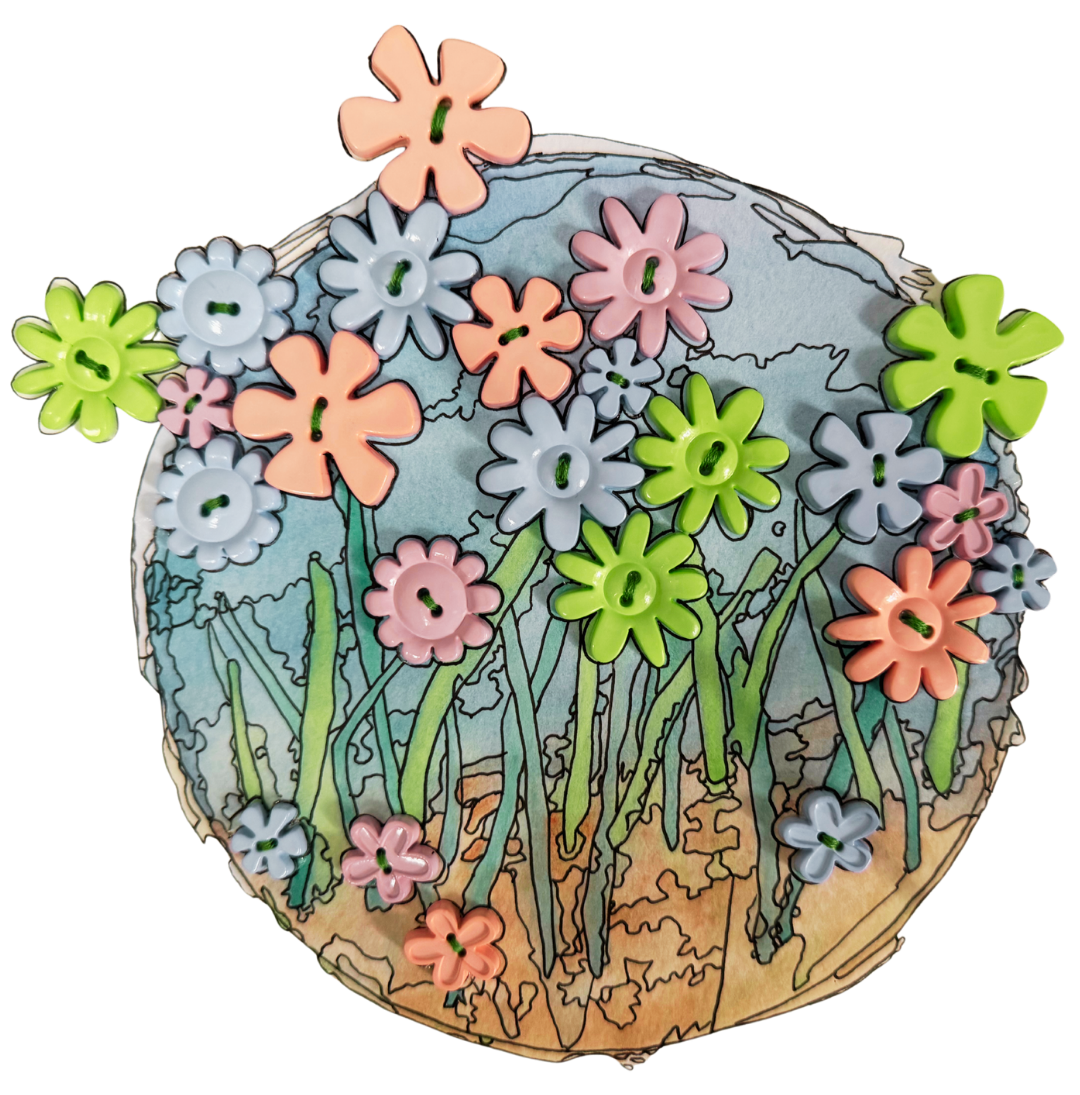
The word mandala means circle, a timeless symbol of wholeness, containment, connection, and growth.
Healing
In art therapy, mandalas invite us to slow down, turn inward, and explore experiences in the moment.
Process Over Product
Community
Today, our Mandala Monday series continues that tradition, offering a weekly invitation to pause, create, reflect, and reconnect.
For us, the mandala isn't just a symbol of art therapy. It's a reminder that healing isn't linear, it unfolds one circle, one conversation, and one moment of connection at a time.

We Would Be Honored to Walk Alongside You
Choosing a therapist is a personal decision. We invite you to explore whether Create & Connect feels like the right space for your next step.