

Trauma-Informed Counseling & Art Therapy for Helping Professionals in Baltimore, MD.
Virtual Services Available Throughout Maryland & Pennsylvania.
When Caring for Others Leaves Little Space for Yourself

When responsibility becomes part of who you are, putting it down can feel harder than carrying it.
When You Can Handle It…But Feel Tired of Having To
You’re used to figuring things out, showing up, and doing what needs to be done. From the outside, you may even look like you’re handling everything just fine. But being able to keep going doesn’t always tell the whole story, especially when so much of your energy goes toward being the person others can depend on.

“I’m good at what I do. Why does everything else feel so hard?”
“Everyone comes to me when something goes wrong. I don’t know who I’m supposed to go to.”
“I spend all day making decisions. By the time I get home, I don’t want anyone to need anything from me.”
“I don’t know if I’m burned out or if I just don’t want to do this anymore.”
“I keep thinking I just need a break, but the breaks don’t seem to be helping anymore.”
“I can handle it. I’m just tired of always having to.”
“I don’t know how to slow down without feeling like I should be doing something.”
You don’t have to know whether it’s burnout, stress, or something else to start talking about it.
Trauma-Informed Counseling & Art Therapy for Helping Professionals in Baltimore, MD.
Virtual Services Available Throughout Maryland & Pennsylvania
When Giving More Leaves You With Less
It doesn’t always look like falling apart. Sometimes it looks like having less patience, pulling away from people you care about, dreading things you used to handle easily, or realizing there’s very little left of you to give by the end of the work day.
Burnout
The work that once felt meaningful starts feeling heavy. Motivation drops, small tasks feel harder, and getting through the day takes more out of you than it used to.
Overfunctioning
You keep taking responsibility, solving problems, picking up the slack, and saying yes because letting something drop can feel harder than simply doing it yourself.
Compassion Fatigue
You still care, but accessing that care can feel harder. Other people’s needs may start bringing up irritation, numbness, guilt, or the feeling that you simply have nothing left to give.
Difficulty Switching Off
The workday ends, but your mind keeps reviewing conversations, decisions, unfinished tasks, mistakes, or everything waiting for you tomorrow.
Self-Isolation
Being alone starts feeling easier than answering another question, making another decision, or having another person need something from you, even when you miss feeling connected.
Losing Yourself
So much of your time and energy goes toward being competent, dependable, helpful, or productive that it can become harder to remember what you enjoy, or who you are when nobody needs anything from you.

Caring for others can take a lot out of you. Finding care for yourself shouldn’t have to.
Mental Health & Healthcare
Therapists • Social Workers • Nurses • Physicians • Counselors • Healthcare Professionals
Education
Teachers • School Counselors • Administrators • Professors • Education Professionals
Legal & Professional
Attorneys • Legal Professionals • Executives • Managers • Business Owners
Caregiving & Community
Caregivers • Nonprofit Professionals • Advocates • Case Managers • Community Leaders
The Role May Look Different. The Responsibility Can Feel Familiar.
You don’t have to work in healthcare or mental health to spend your days carrying responsibility for other people, making difficult decisions, managing competing demands, or being the person expected to know what to do. What connects these roles isn’t the job title. It’s the level of responsibility you’re asked to carry.

Trauma-Informed Counseling & Art Therapy for Helping Professionals in Baltimore, MD.
Virtual Services Available Throughout MD & PA
What If You Didn’t Have to Be “On” All the Time?
When so much of your time and energy goes toward responsibilities, decisions, and other people, it can be hard to imagine what “better” would even look like.
Maybe it isn't doing less or caring less…Maybe it's having more of yourself left when the day is over.

Less replaying conversations, running through tomorrow’s list, second-guessing decisions, or thinking about everything that still needs your attention.
More patience and energy for the unexpected, the people you care about, and the everyday things that can feel like too much when you’re already stretched thin.

More room for the interests, relationships, creativity, rest, and parts of yourself that exist outside of being productive, helpful, capable, or needed.

Meet Your Therapists
Where being capable isn’t a prerequisite for being cared for.



Casey Frederick
MA, LCPC, LCPAT, LPC, ATR-BC
Offering Services in Maryland & Pennsylvania
Casey works with helping professionals and high-responsibility adults who are used to being capable, dependable, and the person others turn to. She integrates trauma-informed therapy, IFS, and art therapy to help clients slow down, understand what they’ve been carrying, and reconnect with themselves outside of what they do for everyone else.




Christlyn McCaskill
MA, LCPC, LCPAT, ATR-BC
Offering Services in Maryland
Chris works with helping professionals and high-achieving adults navigating burnout, compassion fatigue, neurodivergence, and the pressure of being everything to everyone. Her approach is direct, compassionate, and grounded in helping clients recognize patterns, strengthen boundaries, and make more room for themselves.
You may be used to analyzing, problem-solving, or knowing what you “should” do. But insight doesn’t always change how something feels. We use different approaches to help you process what you’ve experienced, understand what keeps showing up, and explore what may be harder to reach through thinking alone.
Knowing What to Do and Knowing What You Need Aren’t Always the Same
Therapy can be a place to show up as a person, not just the professional everyone expects you to be.
TRAUMA THERAPY
Process What You Carry
Explore difficult experiences, cumulative stress, and the emotional weight that can build when your role asks you to keep showing up for others.
ART THERAPY
Move Beyond Insight
Use creativity and art-making to explore what you may already understand intellectually, but haven’t quite been able to reach in the same way through words.
INTERNAL FAMILY SYSTEMS
Understand What Drives You
Get curious about the parts of you that push, perfect, please, perform, or take responsibility, even when you’re running low yourself.
Frequently Asked Questions
-
Yes. Therapy is confidential regardless of your profession, with the same legal and ethical exceptions that apply to other clients. We’ll review those limits with you before beginning services. We also understand that concerns about professional reputation, licensure, employment, or being known within a professional community can make reaching out feel more complicated, and you’re welcome to ask questions about privacy before getting started.
-
Maybe at first, and you don’t need to turn off everything you know about therapy to be a client. You also don’t need to analyze the session, identify the intervention being used, or have the “right” insight. There’s room to show up as yourself rather than as the clinician in the room.
-
You don’t have to know before coming to therapy. Burnout can affect how you feel about work, yourself, other people, and decisions about the future. Therapy can give you space to sort through what belongs to exhaustion, what may need to change, and what you actually want, without assuming the answer is either “quit” or “push through.”
-
We understand that healthcare shifts, court schedules, caseloads, school calendars, leadership responsibilities, and other professional demands don't always fit neatly into a traditional schedule. Availability and session frequency can be discussed during your consultation so you and your therapist can determine what is realistic and clinically appropriate.
-
Knowing how to support someone else doesn’t always make it easier to support ourselves. You might recognize the pattern, know the coping skills, or even know exactly what you would say to a client, patient, colleague, or friend in the same situation. It’s different when you’re the one living it. Sometimes we need another person to help us see what’s harder to see from the inside.
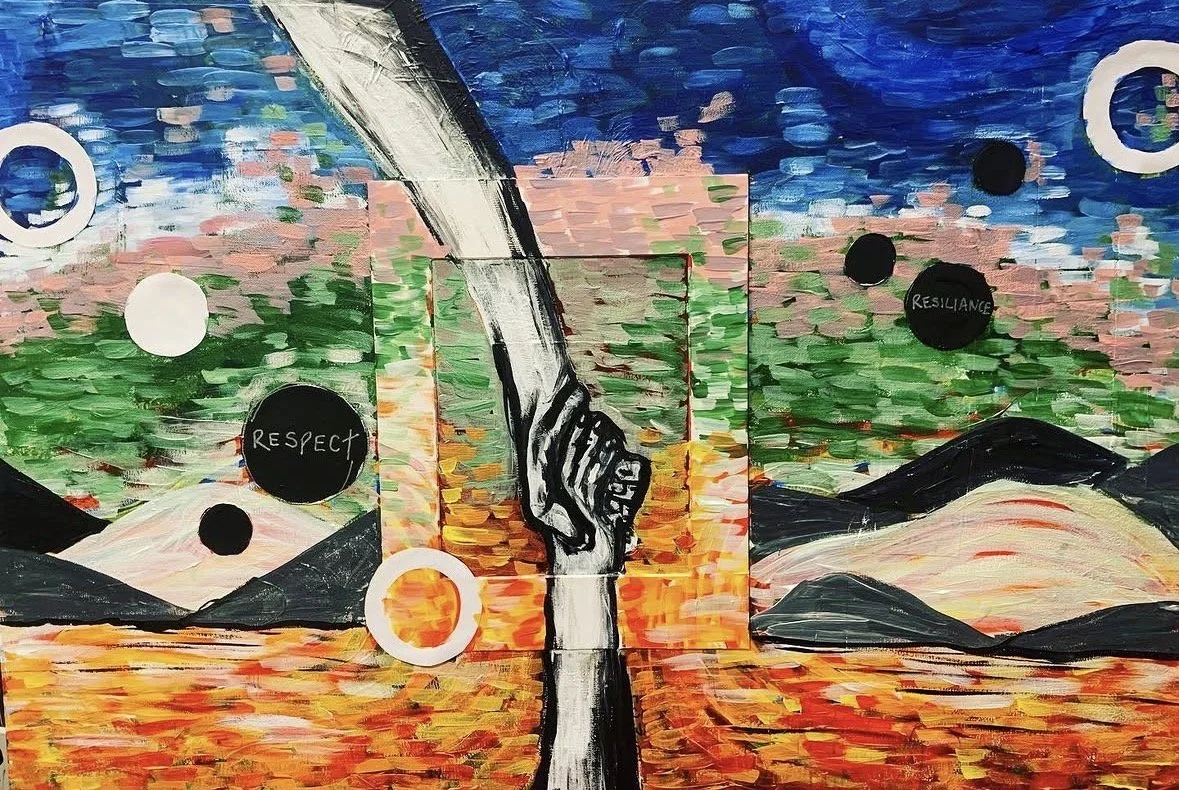
You Spend a Lot of Time Showing Up for Others. What Would It Look Like to Show Up for You?
You don’t have to know exactly what you need or what you want to change before reaching out. Sometimes having a place where you aren’t expected to lead, solve, help, or have the answer is a good place to begin.