Art Therapy In Baltimore, MD.

Virtual Services Available Throughout Maryland and Pennsylvania.
There's More Than One Way to Tell Your Story.

Every Emotion Deserves A Brushstroke
Discover a different way to process trauma, anxiety, burnout, and life's challenges through creative expression.
"I don't have the words for what I'm carrying."
"I understand what's happening in my head, but my body still reacts like I'm back there."
"I've learned how to survive. I don't remember how to slow down."
"I'm constantly taking care of everyone else, but I don't know how to take care of myself."
"There are things I want to say... I just can't seem to get them out."
"I feel disconnected from myself, the people I love, or the things that used to matter."
"I'm tired of talking in circles without feeling different."
"I don't need someone to tell me to be stronger. I need a different way forward."
When Words Aren't Quite Enough
The people we work with spend so much of their lives caring for others, responding to crises, or carrying responsibilities that there often isn't time to notice the weight they're holding until it begins to affect everyday life. You may not have the words for what you're feeling, and that's okay. Sometimes, simply recognizing yourself is the first step toward healing.

If this resonated with you…you’re in the right place!
Art Therapy In Baltimore, MD
Virtual Services Available Throughout MD & PA
Imagine What's Possible
You may not be able to change what you've lived through, but you can change how you carry it.
Art therapy creates opportunities to slow down, explore experiences from a different perspective, and reconnect with parts of yourself that may have been pushed aside simply to get through the day. Through the creative process, experiences that once felt overwhelming, confusing, or impossible to put into words can begin to make more sense, creating space for insight, healing, and growth.
Over time, many people notice meaningful changes, not because the past disappears, but because it no longer feels like it has to shape every moment of the present. They begin sleeping more soundly, feeling less overwhelmed by everyday stress, responding to life instead of constantly reacting to it, and reconnecting with the people and parts of themselves that matter most.
Healing doesn't mean forgetting your experiences. It means carrying them in a way that leaves room for the life you want to live today.

Before healing can happen, there needs to be space to slow down.
Together, we'll create a supportive, nonjudgmental environment where you don't have to have the right words or know exactly where to begin. Whether you're talking, creating, or simply sitting with what's coming up, we'll meet you where you are.

Art therapy isn't about making something beautiful, it's about making sense of what you've been carrying.
As thoughts, emotions, memories, and experiences take shape outside of yourself, it becomes easier to notice patterns, connect the dots, and gain insight into how your experiences have shaped you. That understanding often becomes the foundation for healing, self-compassion, and meaningful change.
The goal isn't simply what happens in the therapy room, it's what begins to change outside of it.
As you gain new awareness and ways of processing your experiences, many people find they feel more grounded, more connected to themselves and others, and better able to respond to life's challenges with greater flexibility and self-compassion.
Meet Your Art Therapists
Art Therapy Is at the HeART of Create & Connect
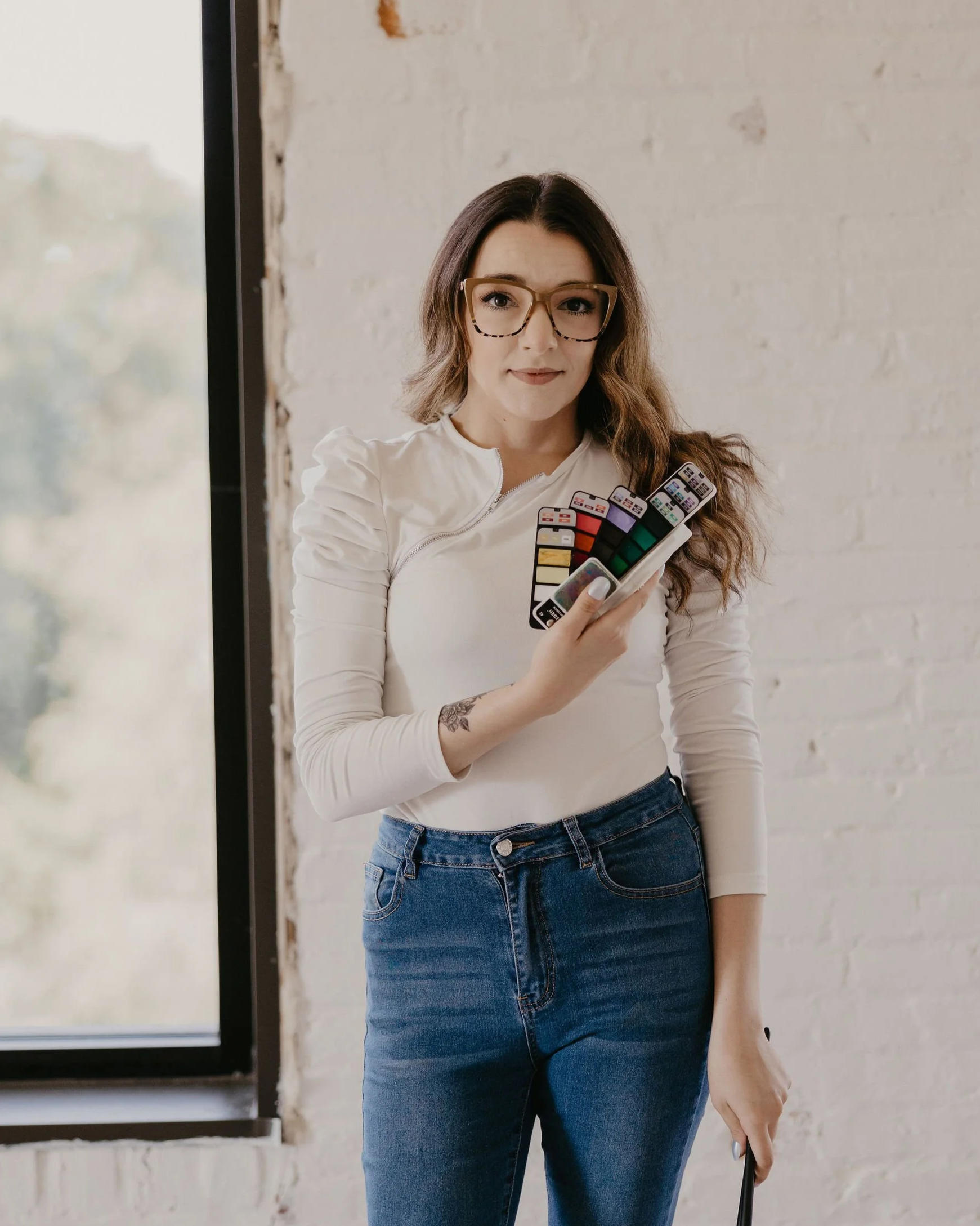
Casey Frederick
MA, LCPC, LCPAT, LPC, ATR-BC
Offering Services in Maryland & Pennsylvania
Casey specializes in supporting adults who have spent years caring for others, including veterans, first responders, spouses, and helping professionals, who are navigating trauma, burnout, life transitions, and the emotional weight of high-responsibility roles.

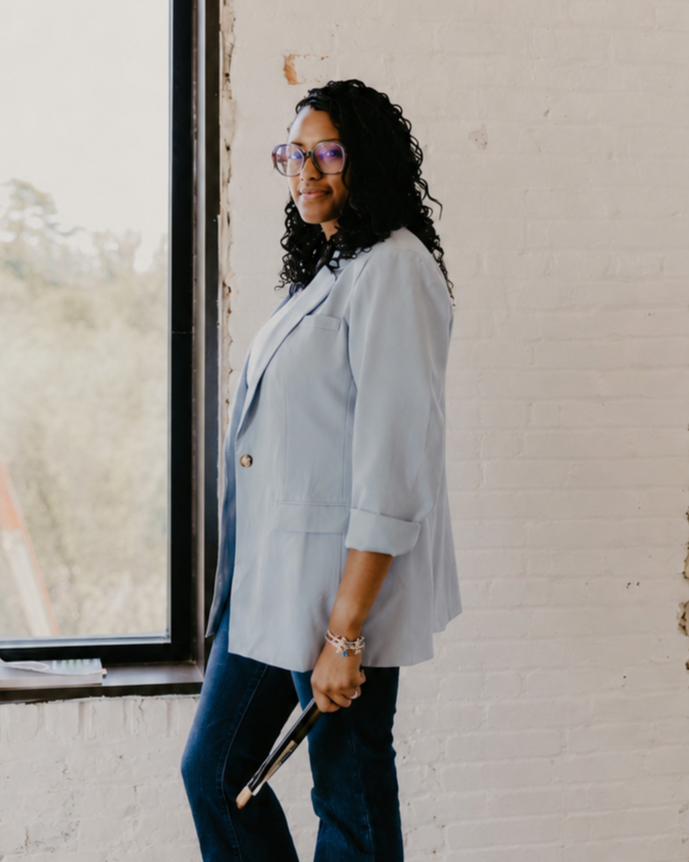
Christlyn McCaskill
MA, LCPC, LCPAT, ATR-BC
Offering Services in Maryland
Chris specializes in supporting women with a special focus on women of color, neurodivergent individuals, and those in high responsibility roles who have spent years carrying the expectations of others while quietly navigating trauma, burnout, parentification, identity, and the emotional weight of always being the strong one.
The name Create & Connect reflects the belief that creativity can become a bridge to deeper understanding, healing, and connection.
Why Work with a Board-Certified Art Therapist?
While many therapists incorporate creative activities into sessions, art therapy is a specialized mental health profession requiring graduate-level education, supervised clinical training, and national board certification. As Board-Certified Art Therapists (ATR-BC), Casey and Chris integrate creativity intentionally as part of evidence-based psychotherapy, tailoring each experience to your unique goals and needs.
What Is Art Therapy
Art therapy is an evidence-based mental health profession that combines traditional psychotherapy with the creative process to support healing, self-discovery, and emotional well-being.
Art therapy is not simply an activity added into a therapy session, it is a meaningful clinical approach that can help clients access emotions, experiences, and parts of themselves that may be difficult to reach through words alone.
As Board-Certified Art Therapists (ATR-BC), Chris and Casey use art intentionally as another pathway for communication and healing, not to create artwork with the intention of being on museum display, but to explore thoughts, emotions, experiences, and patterns that may be difficult to express with words alone.
Art Therapy Is Supported by Research
Research has shown that art therapy can help support emotional regulation, trauma recovery, stress reduction, self-awareness, and overall psychological well-being. Because creativity engages different ways of processing experiences than conversation alone, it can offer another meaningful pathway toward healing.
Art Therapy in Baltimore, MD Can Help
Virtual Services Available Throughout Maryland & Pennsylvania
Art Therapy May Be A Good Fit If…
Feel disconnected from yourself or your emotions
Have difficulty putting feelings into words
Feel stuck in patterns you understand intellectually but struggle to change
Want a different way to explore your experiences beyond traditional conversation
What Brings People To Therapy
Trauma and difficult experiences
Anxiety and stress
Burnout and compassion fatigue
Secondary Trauma
Moral Injury
Grief and loss
Life transitions
Identity changes
Emotional regulation
Self-understanding
Relationship challenges
Art Therapy for Trauma and Chronic Stress
Trauma can impact more than our thoughts. It can influence our emotions, our bodies, our relationships, and our sense of safety.
For individuals who have experienced trauma, including first responders, veterans, military-connected individuals, and helping professionals, art therapy can provide a supportive way to process experiences at a pace that feels manageable without requiring you to immediately find words for experiences that may feel overwhelming, complex, or difficult to explain.
No Art Experience Necessary!
Maybe you heard Art Therapy and thought, that’s not for me because….
“I’m not a creative person”
“I can’t even draw a stick figure”
“What would I even draw?”
“What if I feel childish”
Seeing a blank piece of white paper or canvas can feel intimidating, especially if you, like many, haven’t engaged in creating since middle school.
What if we told you that Art Therapy is often more about the process than the final product?…
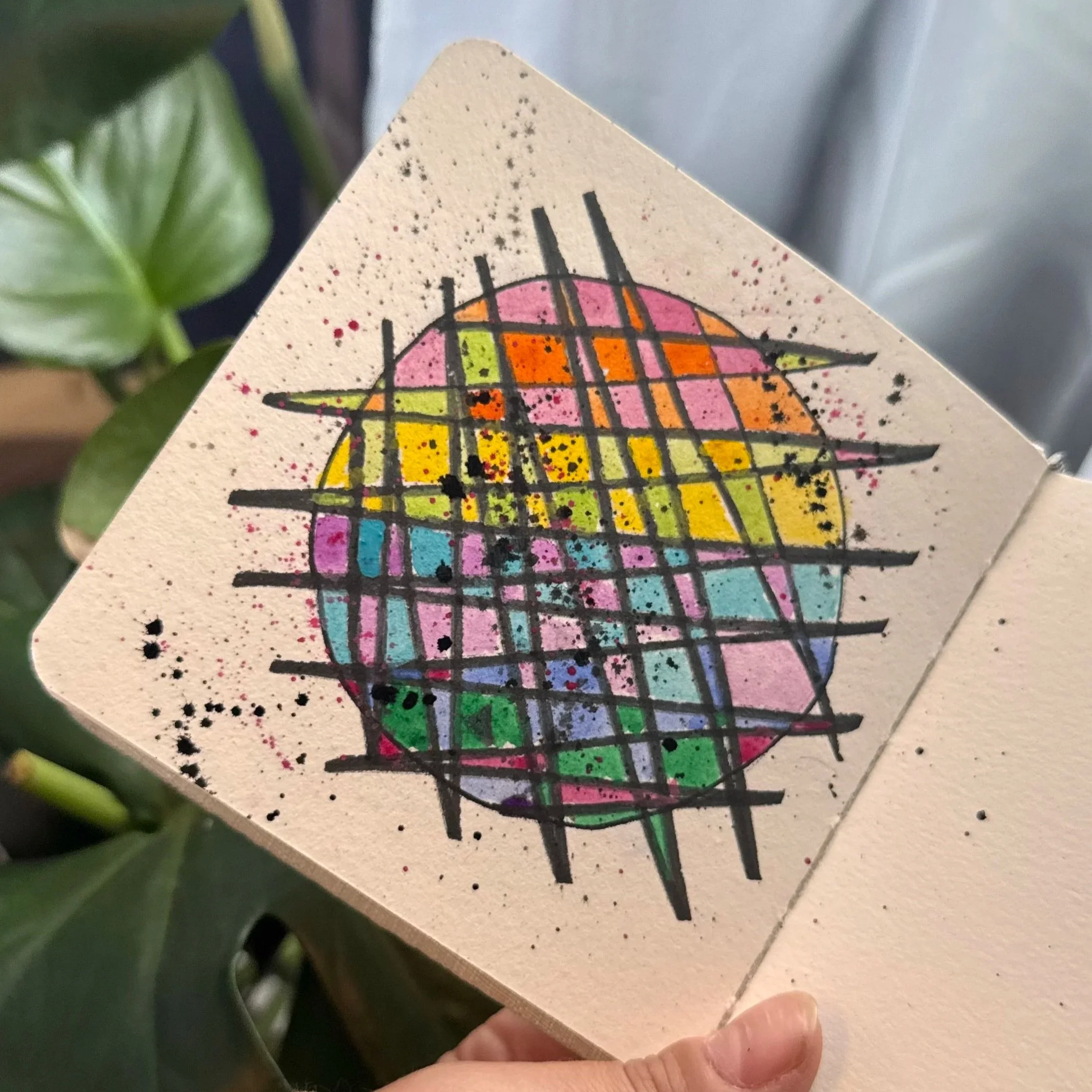
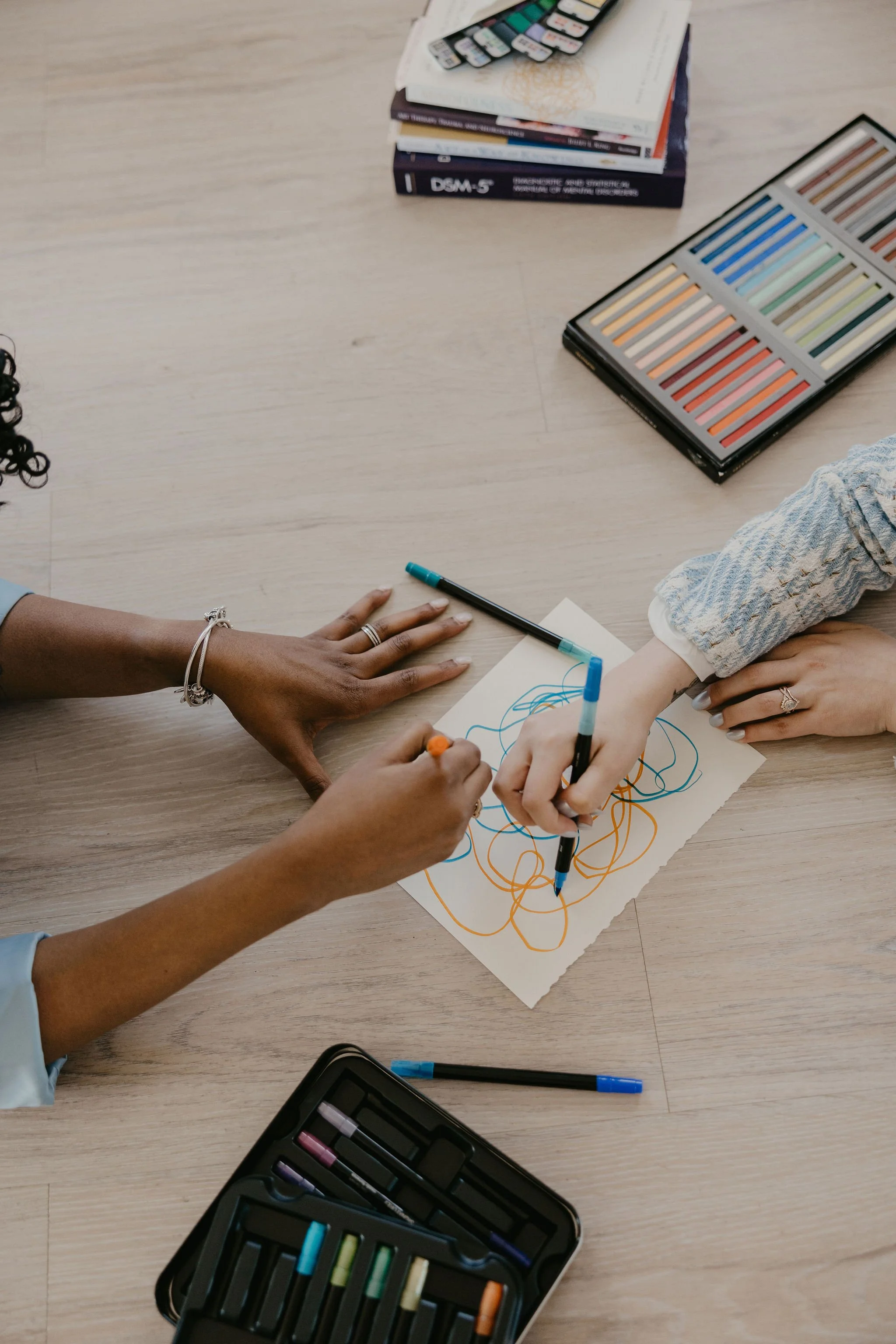
A simple line, a collection of colors, a collage, a symbol, or even a few shapes can become a meaningful way to explore thoughts, emotions, memories, and experiences.

What Does Virtual Art Therapy Look Like
Virtual Services Throughout Maryland & Pennsylvania
Many people wonder how art therapy works over telehealth and the answer is… surprisingly well!
Healing doesn't require a fully stocked art studio. It simply begins with a willingness to explore.
Most people already have everything they need to begin. Paper, a pencil, markers, crayons, or colored pencils are more than enough for many sessions.
If you'd like to expand your materials over time, we've created a list of optional favorites to make it easy.
Art therapy isn't about making something beautiful or "getting it right." Every activity is tailored to your comfort level, your goals, and where you are in your healing process. There is never pressure to create in a certain way or to consider yourself an artist.
Just as we communicate through words, we can also communicate through images, color, symbols, and the creative process. Art doesn't replace conversation, it expands it, offering another way to explore experiences, connect the dots, and gain insight into yourself.
Virtual art therapy offers the same individualized, trauma-informed care as an in-person session, while allowing you to participate from the comfort, privacy, and familiarity of your own space.
While conversation can help organize thoughts, gain insight, and develop practical coping skills, the creative process can access emotions, memories, and experiences that may be difficult to express with words alone.
Trauma, chronic stress, and burnout affect more than our thoughts. They influence our emotions, nervous system, relationships, and sense of safety, making it helpful to have more than one pathway toward healing.
By integrating both approaches, therapy becomes more flexible and individualized, allowing us to choose the tools that best support your goals in each session.
Why Combine Art Therapy with Talk Therapy?
Talk therapy and art therapy aren't competing approaches, they often complement one another.
-
Not at all. In fact, many of my clients tell me they're "not creative" or "can't even draw a stick figure." Art therapy isn't about artistic skill, it's about using creativity as another way to explore your thoughts, emotions, and experiences.
-
No. Art is always an invitation, never a requirement. Some sessions may focus entirely on conversation, while others may incorporate creative activities when they support your therapeutic goals. Together, we'll decide what feels most helpful for you.
-
No, you are the expert on your own experience! Your artwork belongs to you, and there are no universal meanings or "hidden messages" that I'm looking to uncover. Instead, we'll explore what your artwork means to you. My role is to help facilitate reflection, ask thoughtful questions, and connect your creative process to your therapeutic goals, not to assign symbolic interpretation.
-
No. Art therapy is used with children, adolescents, and adults. Many adults find that creativity provides another pathway for reflection, emotional processing, and self-understanding, especially when experiences feel difficult to explain through words alone.
-
Absolutely. You do not need to consider yourself an artist or a creative person to benefit from art therapy.
Many people begin art therapy by saying, “I’m not artistic,” or “I can’t even draw a stick figure.” The focus of art therapy is not on creating something impressive or perfect, it is on using the creative process as another way to explore emotions, experiences, patterns, and self-understanding.
Art therapy is about curiosity, not skill. A line, color, image, symbol, or simple mark can become a meaningful way to connect with yourself and explore what words alone may not fully capture. No artistic experience is required, only a willingness to explore.
-
An art class focuses on learning techniques and creating finished work, while art therapy centers on the therapeutic process and how creativity supports emotional expression, self-understanding, and healing.
In art therapy, there are no expectations for skill or appearance. Artwork is not judged or graded. Instead, a Board-Certified Art Therapist helps you explore what arises during the creative process and reflect on emotions, memories, and experiences that may be hard to express with words.
Art therapy is a clinical mental health service. Its goal is not to teach art, but to use creativity as a pathway for understanding and connecting with yourself.
Frequently Asked Questions
Schedule your free consult to learn if Art Therapy is right for you.